

Who Are You in Conflict?
A Q&A with Jazmin Pichardo and Beth Douthirt-Cohen about embodied ways to stay connected during painful conversations.
From the Greater Good Science Center at UC Berkeley

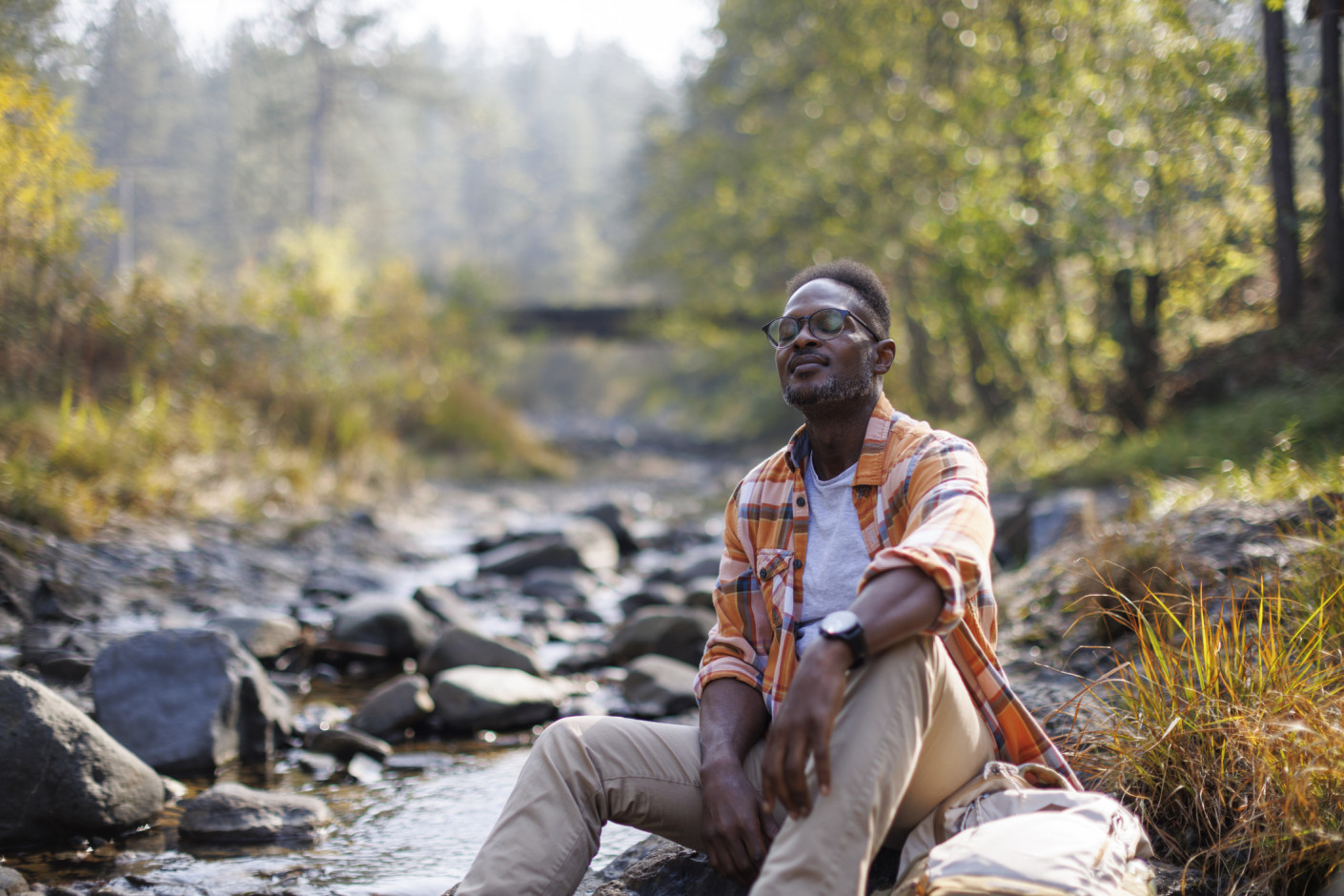
Research suggests we can reduce social biases by building moment-to- moment awareness of our thoughts, feelings, and surroundings through practices like meditation.
Research suggests we can reduce social biases by building moment-to-moment awareness of our thoughts, feelings, and surroundings through mindfulness practices.
On college campuses, mindfulness can help students, faculty, staff, and administrators stay grounded in difficult conversations, navigate conflicts, and manage stress in high-stakes situations—whether it’s a campus protest, a controversial speaker, or a complex classroom dialogue.
Leading up to the 2024 elections, faculty, students, and staff at the University of Maryland led a series of mindfulness exercises in classrooms, student centers, and virtual spaces. These meditations and mindfulness-based practices were designed to help the campus community manage stress, regulate emotions, and engage in more productive dialogue across political and other differences.
In particular they focused on body-based awareness. They used breathing and movement-based mindfulness exercises to help them tune into their bodies and understand how they were really feeling in a given moment, and they used short meditations on paying attention to their breath to help them manage difficult emotions in moments of distress.
They also emphasized research showing that mindfulness can interrupt unconscious bias, making it a useful tool for reducing prejudice and fostering a more inclusive campus community. Guest speakers invited to campus reaffirmed these lessons.
“When doing this work, we focus so much on the thinking, conscious brain—promoting intellectual humility or fostering emotional intelligence. But when it comes to emotion regulation in interactions across differences, there’s so much to learn and honor in tapping into the wisdom of the body, as well.”
— Beth Douthirt-Cohen, PhD, Clinical Faculty & Director of Strategic Initiatives, University of Maryland School of Public Health
Studies the practice is based on.
The nondiscriminating heart: Lovingkindness meditation training decreases implicit intergroup bias.
Kang, Y., Gray, J. R., & Dovidio, J. F. (2014). Journal of Experimental Psychology: General, 143(3), 1306–1313.
Lueke, A., & Gibson, B. (2015). Social Psychological and Personality Science, 6(3), 284–291.
Mindfulness practices moderate the association between intergroup anxiety and outgroup attitudes.
Price-Blackshear, M. A. et al. (2017). Mindfulness, 8(5), 1172-1183.
A Q&A with Jazmin Pichardo and Beth Douthirt-Cohen about embodied ways to stay connected during painful conversations.

According to a new book, there are tools we can learn to help us sit with conflict and grow from it.

In an Arizona school district, a mindfulness program has helped students manage their emotions, feel less stressed, and learn better.

Here are six ways to keep your head when the internet loses it.

Can you extend compassion toward a difficult person in your life? Congressman Tim Ryan tries a practice to help him reach across the aisle in this episode of The Science of Happiness Podcast.

Having a curious approach to life can improve our mood, creativity and relationships. In this episode of The Science of Happiness, Scott Shigeoka leads a visualization exercise to help you approach someone you might disagree with with an open and curious mind.

“In our culture, higher education is one of the only places where there can actually be real conversations about difficult topics,” says Beth Douthirt-Cohen, a public health professor at University of Maryland, College Park. In 2017, the university brought in Douthirt-Cohen to build the capacity of students, faculty, and staff to engage with differences in power and racial identity in healthy, ethical ways.
They found that when we’re equipped with mindfulness tools, it is possible to make higher ed a space where we can have a really difficult conversation and stay in it. In fact, mindfulness can help us feel connected to our agency. Instead of reacting, we get grounded and find the patience we need to make choices and even interrupt unconscious bias.
Watch this interactive conversation with Douthirt-Cohen and psychologist Sarah A. Schnitker (Baylor University), who will draw from her research to explain how grounding practices like these cultivate our patience and exercise our curiosity, courage, and empathy. Hosted by Juliana Tafur, GGSC’s Bridging Differences Program Director.

Meeting new people can bring up a wide range of emotions for teens—from excitement to anxiety. Many teens want to understand people who are different from them, but big feelings or social anxiety can make those moments feel overwhelming. Parents can support their teens by teaching the skill of acceptance, which helps them notice and navigate emotions without judgment.
In this video, Matt talks with his teen, Luna, about how to navigate emotions when meeting someone new. Acceptance involves mindfully paying attention to your inner experience—your feelings, thoughts, and physical sensations—without trying to push them away.