

Noticing Nature
Pay attention to nature to boost feelings of connection.
Moderate
Pay attention to nature to boost feelings of connection.

Build compassion and interconnection by seeing your similarities with others.
Strike up a brief conversation with a stranger to feel happier.

Help teens understand and express what they are thankful for.

Praise children in a way that promotes honest behavior.
A writing exercise to foster connection and kindness.

Help students tune in to the positive events in their lives.
To foster resilience, think about a hurtful event in a different way.

Be kind to yourself by mindfully wishing yourself well.
Spend quality time with people you care about.

To find your purpose, imagine a better world

Ask kids to make a verbal pledge to be honest.

To reduce stress, try facing your fears head-on.

Use language that sparks helpfulness in children.

A way to lift yourself out of the mundane.

Help students write a letter of thanks and deliver it in person.

Steer clear of these 4 toxic relationship behaviors.

Encourage children to express their thanks with arts and crafts.

Get a quick dose of joy by listening to laughter.

Have a discussion to deepen your child's experience of gratitude.
Show appreciation in a way that builds trust and closeness.

Foster optimism by imagining a positive future.

Foster generosity in kids with awe-inspiring art.
Recalling how others have comforted us can make us more compassionate.

Overcome your reluctance and discover how kind other people are.
Strengthen feelings of kindness and connection toward others.

A creative way to build happiness and meaning in life.

Label your unpleasant feelings to reduce distress.
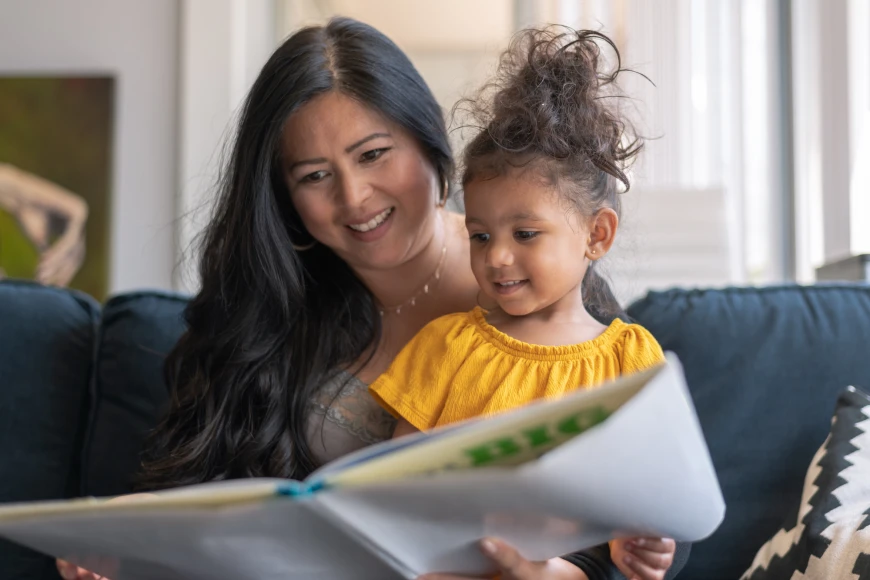
Help children learn moral lessons from honest characters in stories.

Show love to your children by helping them process emotions.
A simple, effective way to work through an emotional challenge.
How to encourage generosity by finding commonalities between people.
A way to build resilience to stress, anxiety, and anger.
How to feel happier by doing things for others.

Labeling feelings can help elicit your child’s empathy and generosity.
Write a letter expressing thanks, and deliver it in person.
Turn an everyday action into a tool for mindfulness and stress reduction.
Strengthen feelings of concern for the suffering of others.

Tap into your positive traits and enjoy greater happiness.

Invite your teen to have conversations about civic empowerment.

How to elicit kindness by making problems personal.
Stop beating yourself up for flaws and mistakes.

Build resilience by changing the way you respond to challenges.

Cultivate the clarity and courage to protect yourself from harm.

How to praise kids in ways that make them more kind.

Key steps for discussing issues collaboratively.

A good apology involves more than saying "sorry."

When your self-image takes a hit, reflect on what matters.

How a stroll outside can help build lasting happiness.

Help students count their blessings and enjoy school more.

To feel more connected, skip the small talk and ask these questions instead.
Count your blessings and enjoy better health and happiness.

Use pretend play to encourage children to persevere through difficulty.
A trick to bring yourself lasting happiness.

Help children have conversations to build closeness.

Help teens understand and practice being humble.
Use good news to strengthen your bonds with friends or family.
Connect with a partner through empathy and understanding.
Feel happier and less stressed by reducing your screen time.

Rediscovering ordinary experiences can bring unexpected joy.
Change your outlook on a negative event — and enjoy less stress.
A way to tune into the positive events in your life.

Help adolescents start exploring and reflecting on meaningful life goals.

Create a warm, non-judgmental space for teens to talk about challenges.

Think about conflict differently to improve your relationship.

Help teens write about what matters to them to feel more purposeful.
Find wonder and inspiration in the world outside.

Use language to help orient kids toward cooperation.

Help children cultivate self-compassion by planning enjoyable activities.

Teach kids how to practice to help them achieve their goals.

How your conversations with adults can encourage honesty in your children.

How to overcome barriers to kindness in yourself and others.

Sharpen your sense of purpose by defining and committing to your goals.

Connect with your sense of purpose in your parenting by writing a short reflection.

Spice up your relationship by trying something new.
Feeling tense? Feel your body relax as you try this practice.
Cultivate mindfulness, reduce stress, and enjoy everyday pleasures.

Write a letter of thanks to someone who makes you feel cherished, protected, and accepted.

Encourage young kids to be giving by reading inspiring books.
A way to tackle an intimidating task.

How to appreciate a loved one by imagining your life without them.

Take a step back and analyze your feelings without ruminating.

Help kids rethink prejudice and connect across differences.

A writing exercise that makes you feel awesome.

Make music together to encourage generosity and helping in young children.

Key principles to help you forgive and achieve peace of mind.

Help kids consider offering reparations as part of their apologies.

Discover what activities bring you the most happiness.
A research-backed process for letting go of a grudge.

How your conversations with adults can encourage generosity in your children.
A healthier way to deal with stressful situations.

Making art about kindness inspires kids to be caring and generous.

How to appreciate what you have by imagining your life without it.

A subtle way to induce kindness, particularly in kids.

Reflect on caring memories with your child to feel closer.

A way to forge connections across lines of difference.

Transform your tasks and relationships at work to build more meaning and purpose.

Help children understand what it means to forgive.

Read a story that will inspire awe.
Get happier by seeing the humor in life.

Build the kind of relationships you want by fostering optimism.

How to encourage kindness in ways that also boost happiness.
Feel grateful as you reflect on all the gifts in your life.


